
Biodynamic Viticulture Adaptation of the BD viticulture concept to the conditions of Eastern Europe
Expert opinion on the strengths and weaknesses of the application
Relevance
The priority of the project “BD Viticulture Adaptation of the biodynamic viticulture concept to the conditions of Eastern Europe” is a logical choice, as the application establishes direct and well- founded links between the project objectives and the chosen priority. For example, the ecologically relevant cultivation of vineyards and gardens without fertilizers and pesticides is the focus of this proposal. As requested, it therefore corresponds to the horizontal priority “Combating climate change” in the areas of agriculture, fisheries and forestry. There are three main project objectives, which build on each other and are meaningfully linked in terms of content. The aim is to close the recognized training gap between conventional and biodynamic agriculture, which is to be achieved primarily through the creation of a certified training and further education programme in the areas of “biodynamic” agriculture, sustainability and climate resilience. This also makes references to the promotion of rural areas evident, even if these should have been presented more clearly. The experience already gained in Western Europe in the transition from conventional to biodynamic viticulture and its marketing is the vehicle for the transfer of knowledge and expertise between the project partners and the clearly defined target groups, primarily from the wine industry and associations. The profile of the participating organizations shows a country focus in Eastern Europe, because green skills for organic farming, agriculture and especially the cultivation of wine are not yet so widespread here and there is therefore a particular need for education and an interest in exemplary solutions. This increases the relevance of the topic in geographical terms. The participating organizations all have a relevant profile in the field of wine growing and vocational education and training, with the applicant Wanderschule having relevant expertise in ecological issues of sustainable production in viticulture. It should be emphasized that the present, detailed and meaningful needs analysis with a focus on the cultivation of wine underlines that this project is highly relevant for the participants and the project objectives. The direct aim is to provide answers to the needs of wine producers by teaching them alternative, ecologically relevant techniques of cultivation and care. Synergy effects are to be expected not only between the educational sectors, but also with regard to the entire Eastern European region, whereby the existing obstacles to conversion to organic or biodynamic agriculture in “Eastern Europe” should have been much more clearly illustrated. The project is innovative and complements existing initiatives of the Wanderschule as a biodynamic pioneer and expert institution with a strong focus on the expansion of existing initiatives to Eastern European countries. A European added value is recognizable, not only in the context of the participating institutions, but also the networked educational partners and other countries that are not applicants, but can clearly benefit from this project. Although the link to adult and vocational education is not clear-cut, it is all the more appropriate for the target group by creating a practice-oriented learning arrangement whose content is appropriately named and includes the necessary business skills. Due to its high transfer potential, the project is highly suitable for creating synergies for the promotion of “green” agriculture as part of the Green Deal. However, transferability could have been better ensured by a website on which all project results are available in all national languages with regard to the target group, whose English skills are not presented.


Project Summary
Biodynamic Viticulture in Central and Eastern Europe
Background
The VITA project aimed to support the long-term development of organic and biodynamic viticulture in Central and Eastern Europe and to contribute to increasing conversion rates. The project addressed the lack of specialised knowledge, practical support and training opportunities available to winegrowers in Poland, Czechia, Hungary and Croatia. It also aimed to strengthen cooperation and knowledge exchange between experienced practitioners, winegrowers, trainers and associations. The project responded to the need for locally adapted information and practical guidance, as conditions and challenges for conversion differ between countries. It also sought to make the experience of pioneering winegrowers more accessible to others considering the transition.
Objectives
The project aimed to identify the main barriers and needs related to conversion to biodynamic viticulture, develop practical recommendations and training materials, and improve knowledge transfer. Specific objectives included developing a biodynamic viticulture training curriculum, testing it through pilot trainings, creating a catalogue of practical measures, and establishing national and cross-border networks for continued cooperation and vocational education. The project also aimed to connect theoretical knowledge with practical experience and to provide tools that can be used by winegrowers, trainers, advisors and associations beyond the project period.
Implementation
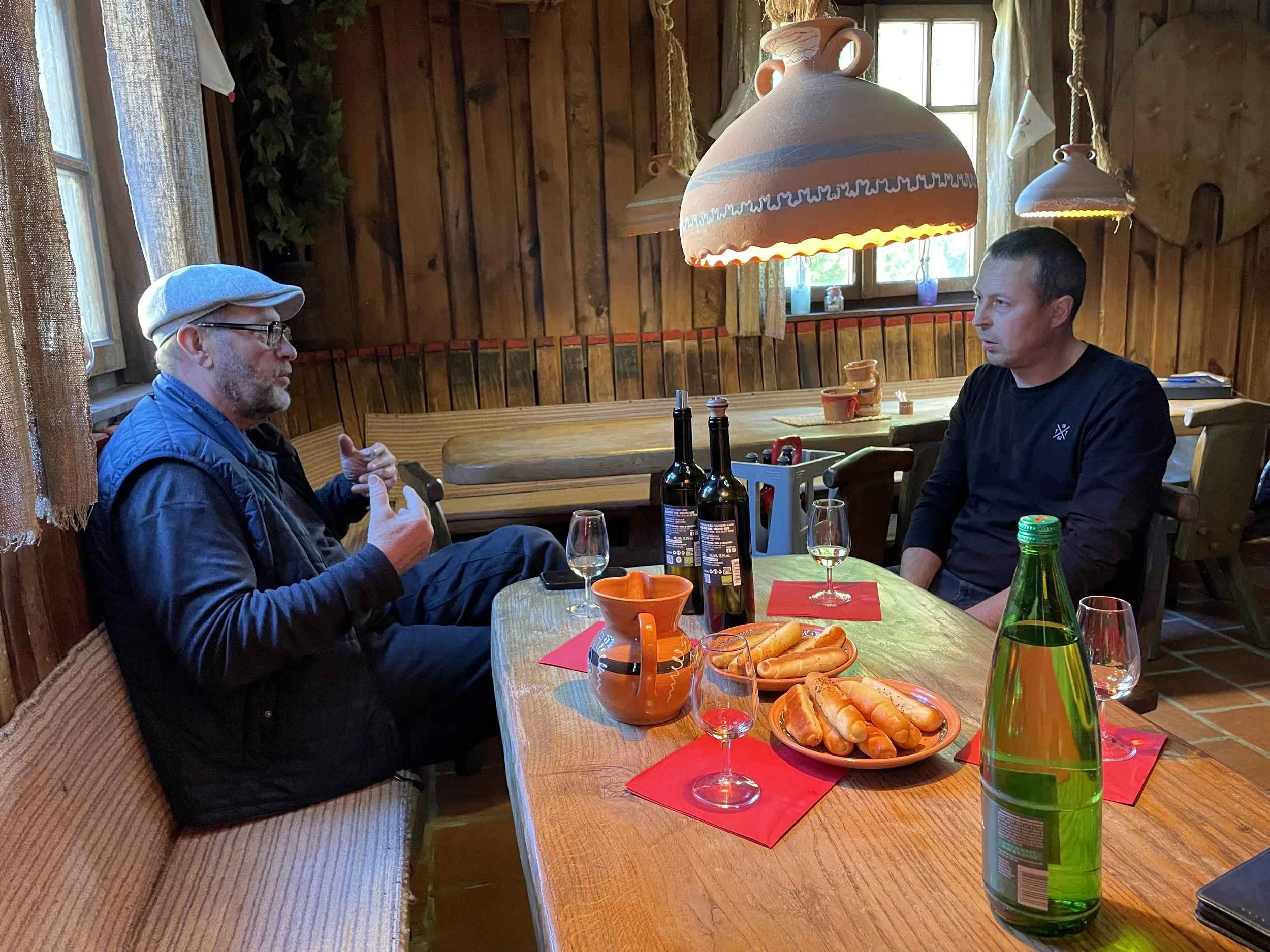
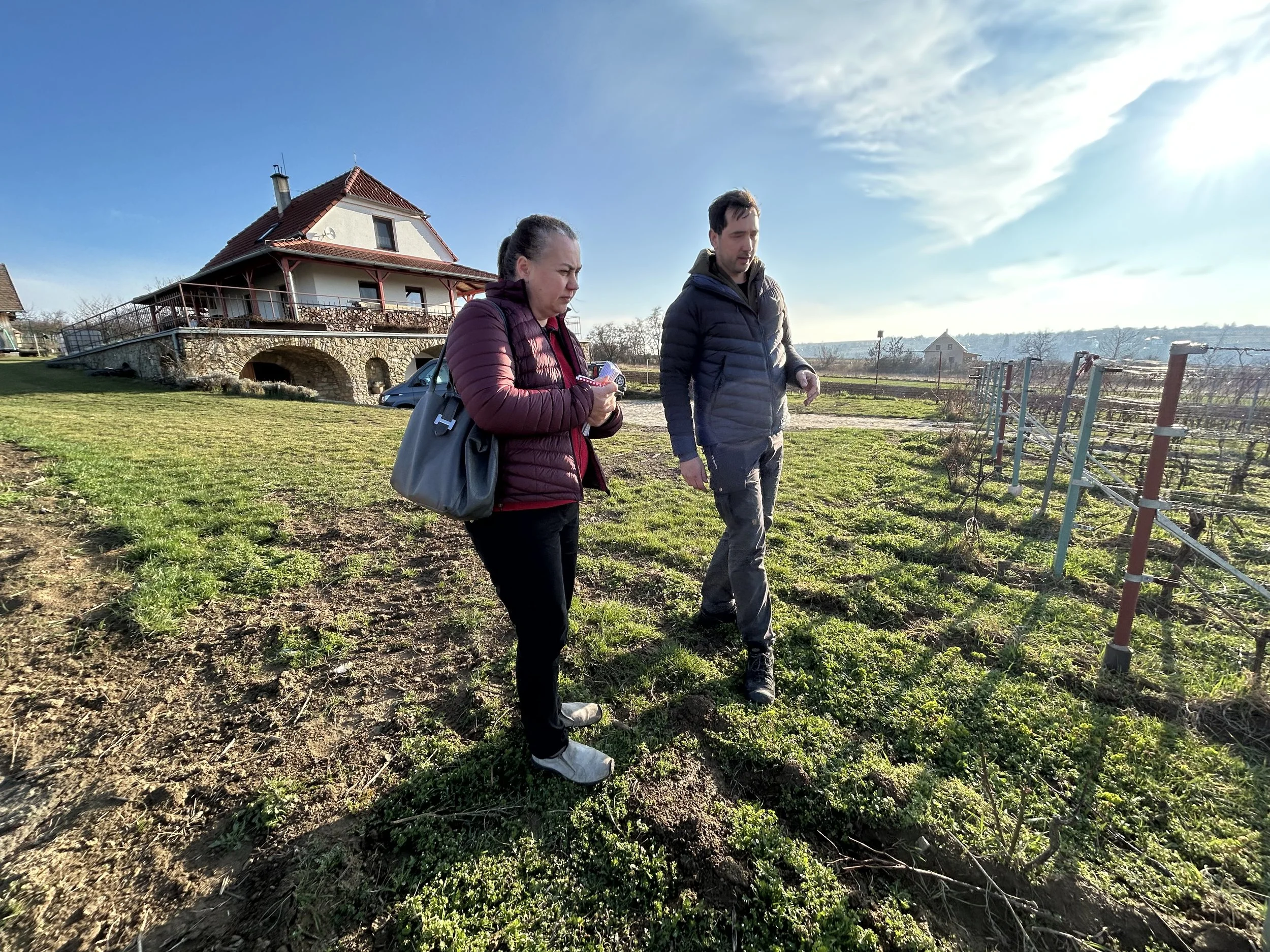
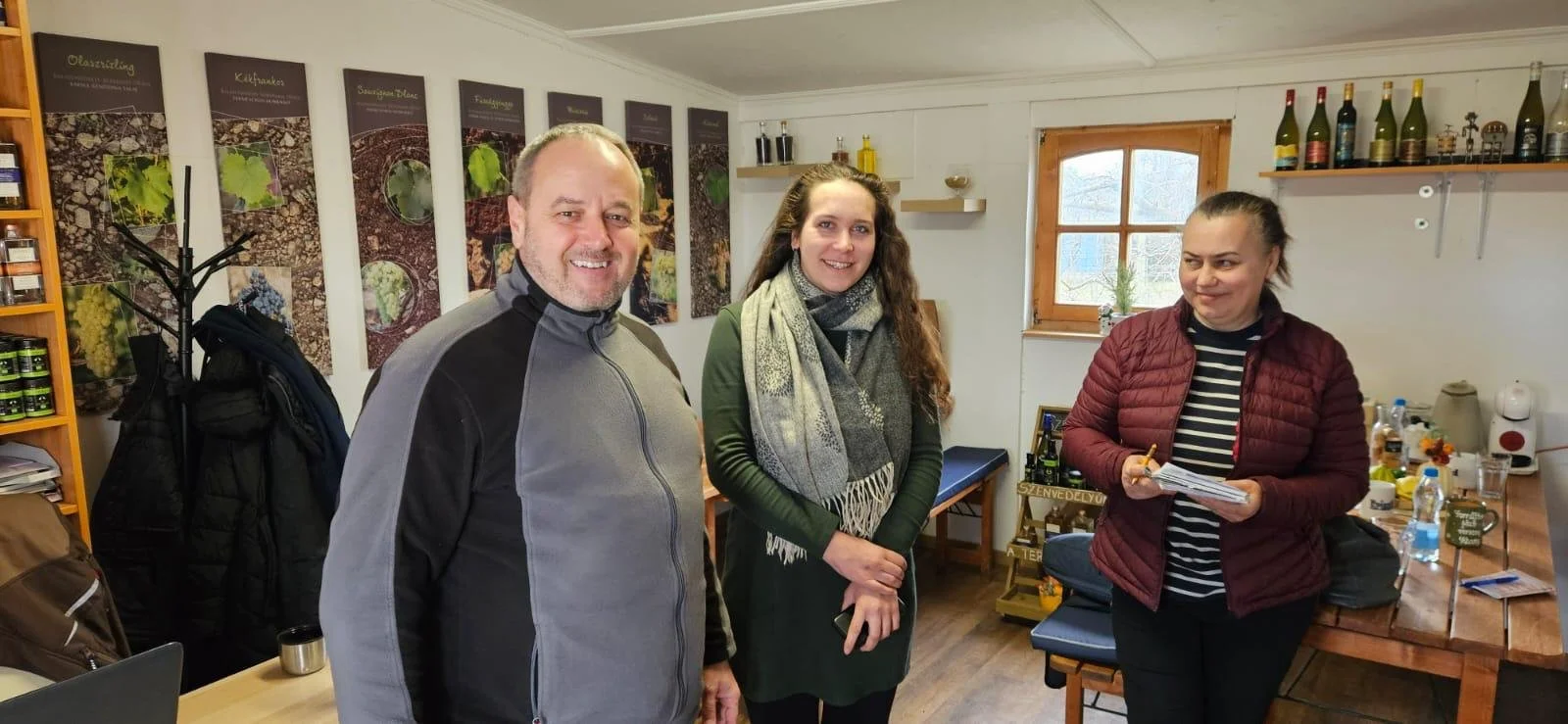
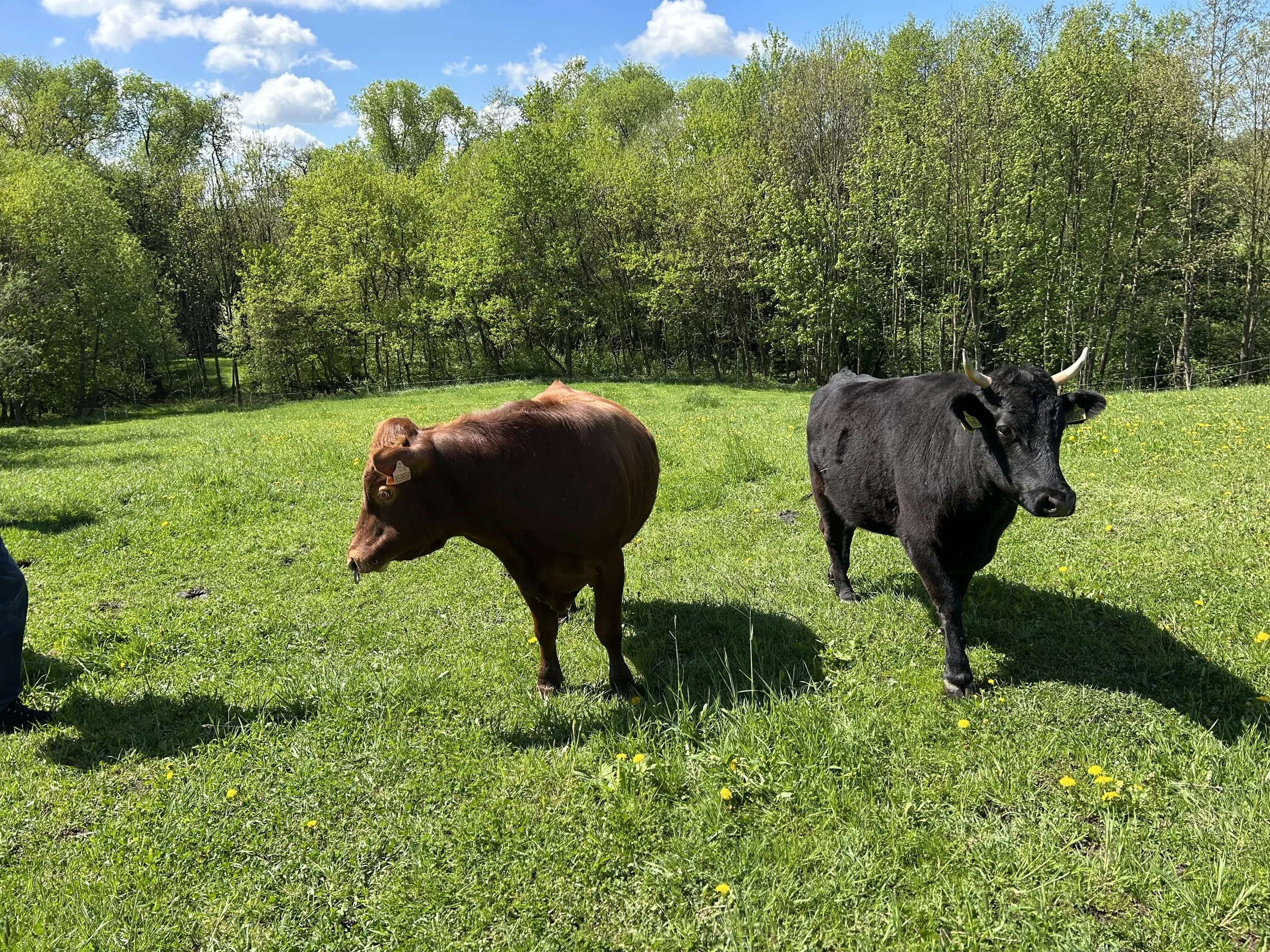
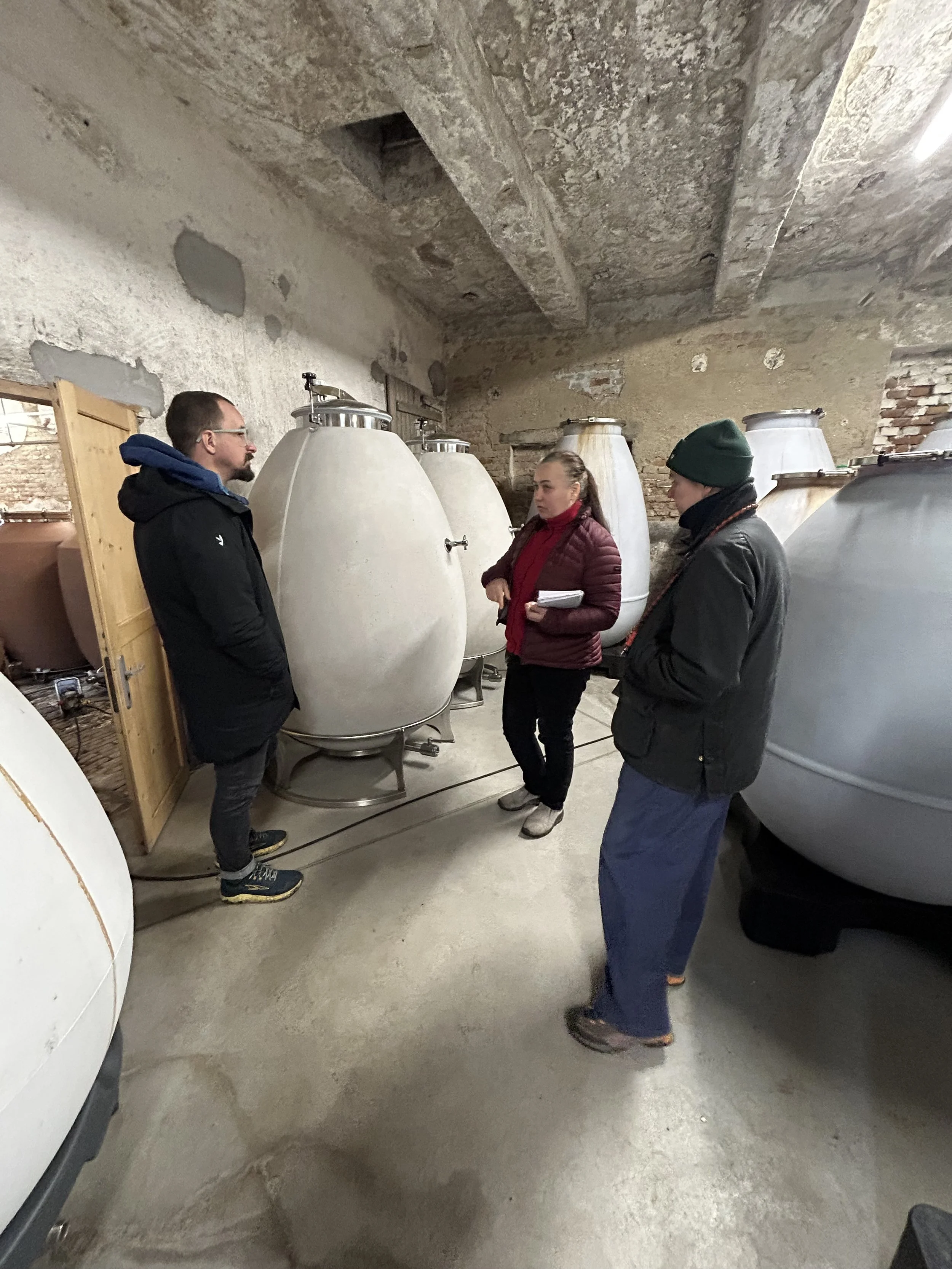
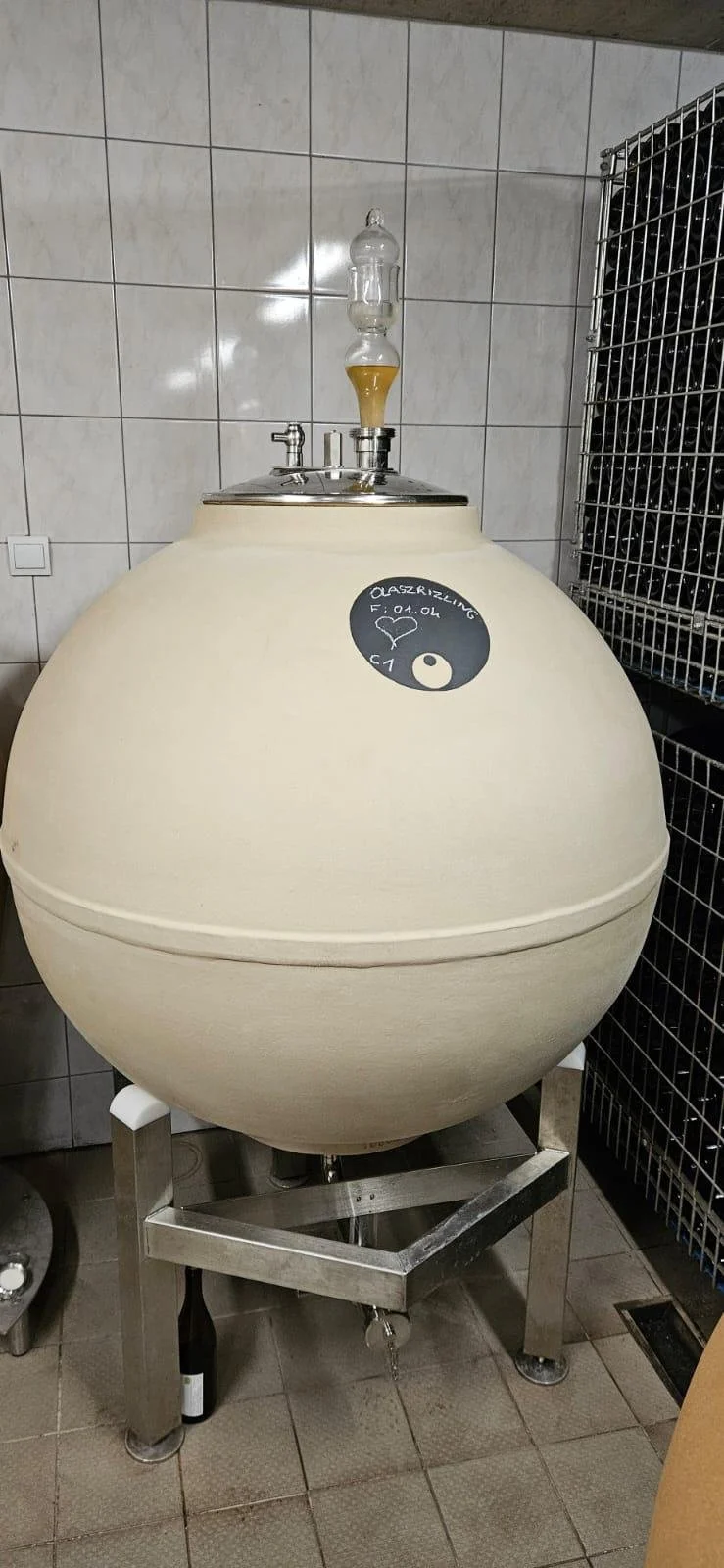
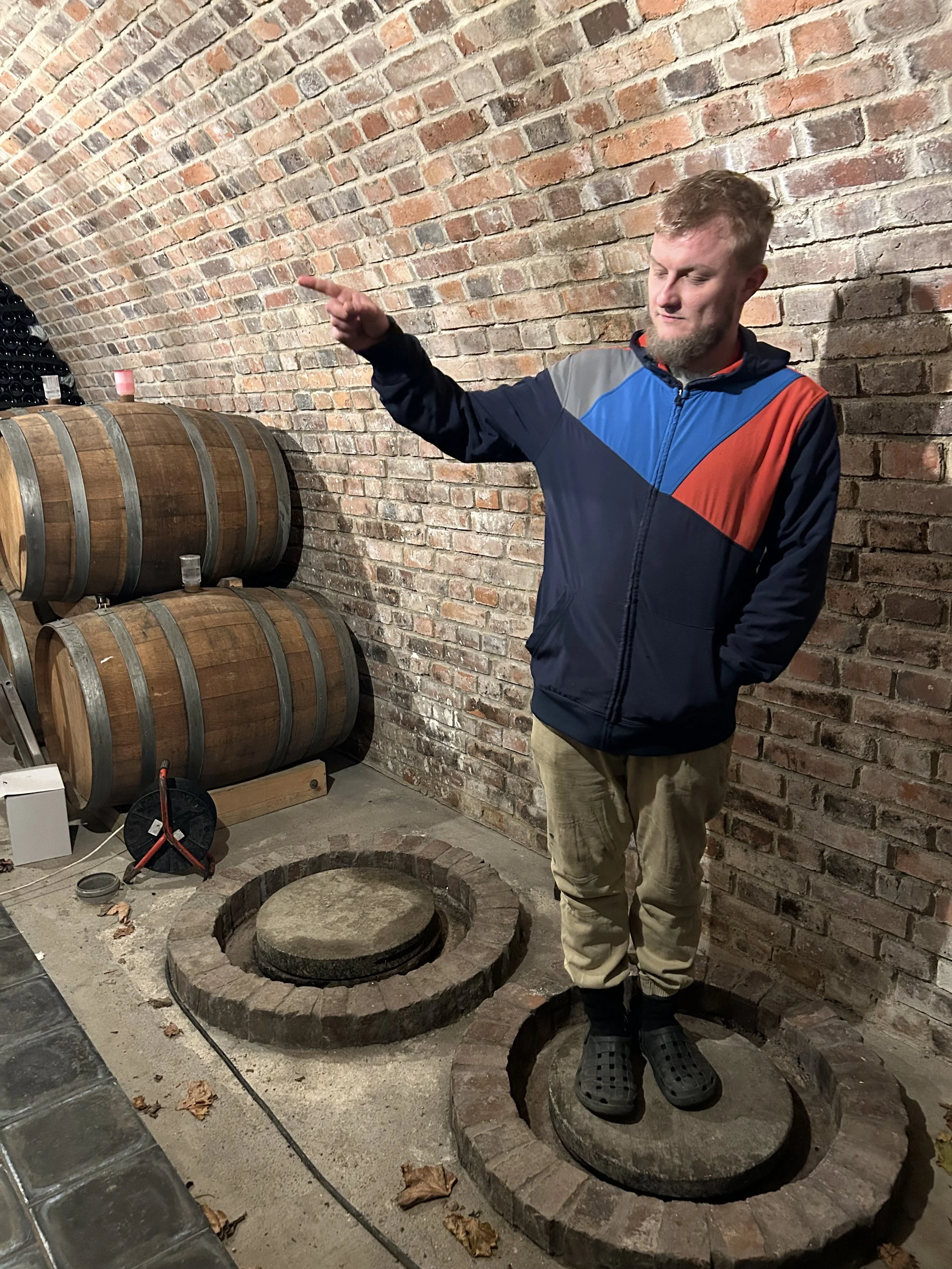
The project carried out 24 case studies, six in each of the four partner countries, with experienced organic and biodynamic winegrowers. The findings were discussed at two regional conferences in Northern/Eastern and South-Eastern Europe and used to develop a catalogue of measures. A training curriculum was developed and tested through pilot trainings in all four countries. The project concluded with a dissemination meeting in Germany, involving representatives of other biodynamic associations and organisations to share results and strengthen future cooperation. The activities combined research, practical knowledge exchange, training, networking and dissemination, allowing the project results to be developed and tested with practitioners and relevant stakeholders.
Results
The project produced a practical catalogue of measures, a training curriculum and new national and cross-border networks. The research confirmed key barriers to conversion, including limited specialised knowledge, insufficient technical support, climate challenges and low consumer awareness. The pilot trainings demonstrated strong interest in practical biodynamic knowledge, particularly regarding soil health, biodiversity, biodynamic preparations and vineyard management. The project resources are publicly available and provide a foundation for continued training, knowledge transfer and support for winegrowers considering or undertaking conversion to biodynamic viticulture. The project also created stronger links between experienced practitioners, vocational training providers and biodynamic organisations, supporting continued cooperation after the end of the project. The results provide practical resources that can be adapted to different national and climatic conditions in Central and Eastern Europe.